HeartWise

Heart Superpowers / Gratitude

Resilience & Purpose

GratitudeNoticing the good

Gratitude is noticing the good that is there, and saying thank you. It sits alongside hard feelings, never in place of them.

  • 5age bands
  • 15activities
  • 6games to play
  • 12flashcards
  • 3worksheets
In kid words

What is gratitude?

Gratitude is noticing something good and saying thank you. It can be big, like a present, or tiny, like a smile or a sunny moment. You can feel grateful and still have hard feelings too.

For grown-ups

Gratitude is noticing something good, understanding that it came from somewhere or someone, and responding with thanks. It has two parts: noticing (a helpful person, a kind word, a good moment) and thanking (saying it, writing it, or showing it). Gratitude does not need money, things or a perfect life, because a smile, a warm drink or a friendly wave can all be noticed. It is also not a duty. It cannot be forced, and it must never be used to shame a child or to hide hard feelings. A child can be sad, angry or scared and still notice one good thing. In HeartWise, adults go first: children learn thanks by hearing it and seeing it.

It is not “be grateful for what you have.” That line can make children feel guilty for wanting or feeling things. Gratitude invites noticing, never shame.

It is not hiding hard feelings. Sad, angry and scared are all okay. Gratitude sits beside them, and does not replace them.

It is not saying thank you on command. A forced thank-you teaches words. Noticing and meaning it teach gratitude.

Why it matters

Small moments, big difference

It helps us notice the good

It is easy to notice what is hard or missing. Looking for one good thing, even a small one, adds some balance without pretending the hard things are not there.

It builds warm connections

Being thanked feels good, and so does thanking someone. Specific thanks tell a person that what they did was seen and mattered.

It is a skill children can practise

Noticing and thanking get easier with practice. They fit into daily routines, such as bedtime, meals, the journey home or a class circle.

Kind things to say

  • Thank you for helping me. It made my day easier.
  • What is one small thing that was good today, even if the day was hard?
  • I noticed you shared your pencil. Thank you.
  • It is okay to feel sad and to notice one good thing too.
  • Who helped you today? How could we say thank you?
  • You do not have to feel grateful right now. We can try again later.
Teach it by age

The same idea, at every age

Choose an age. Every activity needs almost nothing, and you can start tomorrow.

Baby Hearts ages 1–3 · The first three years

Adults and toddlers together. No screens needed.

What it looks like. Toddlers do not yet understand gratitude as an idea, but they love warm moments and they copy what they see. They notice smiles, songs and cuddles, and they pick up the words “thank you” and “more, please” from you. Your own thanks, said often and warmly, is their first lesson.

Ways to help

  • Say thank you to your child and to others, with a smile: “Thank you for giving me the spoon.”
  • Name small good things as they happen: “The sun is warm. That feels nice.”
  • Use a goodnight ritual: one gentle “nice thing” from the day, said in a few words.
  • Never force a thank-you. Let your child see you say it, and they will join in when ready.

Try it

Thank-you song5 min

You need: Nothing

  1. Make up a simple tune for “Thank you, thank you, thank you.”
  2. Sing it while pointing at something good: the sun, a cup, a person, a toy.
  3. Wave or clap together at the end.
  4. Sing it at bedtime or while you walk.

“Thank you, sun. Thank you, cup. Thank you, you.”

Warm things5 min

You need: A soft blanket, scarf or cushion

  1. Sit with your toddler and a soft item.
  2. Let your toddler feel it on their cheek or hands. Say “soft” and “warm.”
  3. Give it a pat and say “thank you, blanket.”
  4. Cuddle together under it for a moment.

“Soft and warm. Thank you, blanket.”

Good night, good things5 min

You need: Nothing

  1. At bedtime, sit close and speak softly.
  2. Name one good thing from the day: “We played in the park.” Or “We had a big cuddle.”
  3. Let your child add a sound, a point or a smile.
  4. Say, “Good night. Thank you for today.”

“Today we had a nice time. Thank you for today.”

Little Hearts ages 3–5 · Preschool and nursery

Play, puppets, stories and short games.

What it looks like. Preschoolers love saying thank you, especially when it gets a smile. They are learning what it means to receive and to give, and they notice quickly when something is unfair. Gratitude here is best learned through play, songs and simple routines, never lectures. Be ready for honest answers: “I did not like it” is part of learning.

Ways to help

  • Start with senses: “What do you like about this moment? What can you see that is nice?”
  • Be specific in thanks: “Thank you for putting your cup in the sink.” Children copy specifics.
  • If a child says they do not like a gift, stay calm: “Thank you for telling me. Let us think of a kind way to say it.”
  • Keep it small and daily. A minute at bedtime is enough.

Try it

Thank-you hands10 min

You need: Paper and a crayon

  1. Trace your child’s hand on paper.
  2. On each finger, write or draw one good thing from today.
  3. Count the fingers together and say “thank you” for each one.
  4. Put the hand on the wall or the fridge, or give it to someone.

“Five good things. Which one is your favourite?”

Helpers around us10 min

You need: Nothing, just a walk or a look around

  1. Look around for helpers: a bus driver, a cleaner, a teacher, a neighbour, a carer.
  2. Ask, “What does this person do to help us?”
  3. Wave or say thank you to one helper if it is safe and they would like it.
  4. At home, draw the helper or pretend to be them.

“Someone helps us every day. Who can we thank?”

Sunny moments5 min

You need: Nothing

  1. Sit by a window or outdoors for a minute.
  2. Say, “Let us find something good in this moment.” It might be a bird, a cloud, a warm hand or a smile.
  3. Say it out loud together and point.
  4. Say, “Thank you,” to the moment.

“What is one nice thing right now?”

Growing Hearts ages 5–8 · The early primary years

Stories, games and real classroom moments.

What it looks like. Children aged five to eight can think about why someone did something nice for them, and what it cost them in time or effort. They enjoy lists, notes and routines. They may also compare themselves with others, so keep gratitude about noticing the good, never about who has more or less.

Ways to help

  • Be specific: “Thank you for waiting. That helped me finish.” Specifics help children see what they did.
  • Make thanks real: write a note, draw a picture or say it in person, rather than only “say thank you.”
  • Let hard days count: “Today was hard. Is there one tiny good thing, or would you rather skip it?”
  • Never say, “Children somewhere have less.” Gratitude is not a comparison.

Try it

Gratitude jar10 min

You need: A jar or box, and scrap paper

  1. Decorate a jar or box if you wish.
  2. Each person writes or draws one good thing on a scrap and puts it in. It can be tiny.
  3. Do this a few times a week, with no pressure.
  4. At the end of the week or month, read some aloud together.

“What is one good thing from today, even if the day was tricky?”

A thank-you note10 min

You need: Paper and a pencil

  1. Choose someone who helped you: a teacher, a relative, a friend or a helper.
  2. Write or draw what they did and why it mattered.
  3. Add “Thank you” and your name.
  4. Give it to them, or read it aloud if they are not nearby.

“What did they do? How did it help you?”

Three good things5 min

You need: Nothing

  1. At the end of the day, sit together and each name three good things from the day.
  2. They can be tiny: a laugh, a friend, a good song, a cool breeze.
  3. If it was a hard day, one is enough.
  4. Say, “Thank you for sharing.”

“Tell me three good things. Small ones count.”

Strong Hearts ages 8–12 · The middle years

Discussion, fairness and friendship.

What it looks like. Between eight and twelve, children can think about gratitude as an idea: what helps us, who supports us and what we may take for granted. They are also very aware of fairness, so gratitude that sounds like a lecture can backfire. Offer it as a choice, with real examples, and let them find their own way to say thanks.

Ways to help

  • Link gratitude to specifics, not comparisons: “Who helped you this week?” works better than “Be thankful you have it better.”
  • Respect off days. A child can say, “Not today,” and that is a fair answer.
  • Talk about thanks that mean something: a sincere sentence beats a hurried word.
  • Let them design their own gratitude habit: a notebook, a message or a spoken moment.

Try it

Three good things notebook10 min

You need: A notebook or paper

  1. Each evening, write three good things from the day. They can be small.
  2. Beside each, note why it happened, such as who helped or what led to it.
  3. On hard days, write one, or write “hard day” and one tiny good thing.
  4. After a week, look back and notice patterns.

“What was good today, and why did it happen?”

Thank a helper15 min

You need: Paper and a pen

  1. List five people who help you in a week, including ones you rarely notice, such as a cleaner or a driver.
  2. Pick one and write what they do and what it makes possible for you.
  3. Say it, or write it, and give it in a way that suits them.
  4. Notice how it feels to say it and to hear a reply.

“Because you did that, I could…”

Hard and good15 min

You need: Paper and a pen

  1. Draw a line down the middle of a page. Label one side “hard” and the other “good.”
  2. Think of a hard situation and write what is hard about it.
  3. On the other side, write anything that is good or helping, even a little thing like a friend or a quiet space.
  4. Notice that both can be true at once. Nothing on the “good” side cancels the “hard.”

“Both can be true: this is hard, and this is helping.”

Brave Hearts ages 12–16 · The teenage years

Real questions, real life, real choices.

What it looks like. Teenagers can see gratitude as a mindset, a choice and a way to connect. They also tend to dislike forced positivity and quickly spot it. Gratitude works best when it is honest, includes the hard parts and is offered as an option. Many young people like the idea of noticing small things, and thanking people who rarely hear it.

Ways to help

  • Skip “look on the bright side.” Try, “Do you want to talk about the hard bit, or the one good thing?”
  • Be specific and sincere when you thank them: “That was thoughtful of you to check on your sister.”
  • Offer gratitude as an experiment, not an assignment: “Want to try a week and tell me what you notice?”
  • Talk about the difference between thanks and pressure: no one owes thanks for being treated badly.

Try it

A week of noticing10 min a day

You need: A phone note or notebook

  1. For seven days, write one specific good thing a day, and who or what helped it happen.
  2. On a bad day, you may write “nothing today” and try again tomorrow.
  3. At the end of the week, read it back.
  4. Share one entry with someone, or keep it private.

“What went okay today, even if the rest was hard?”

Thank-you message10 min

You need: Paper, or a device if you want to send it

  1. Think of someone who made a difference to you, such as a teacher, relative, coach or friend.
  2. Write three sentences: what they did, how it helped you, and what it means now.
  3. Decide whether to send it, read it out or keep it.
  4. Notice how you feel after writing it.

“What you did mattered to me because…”

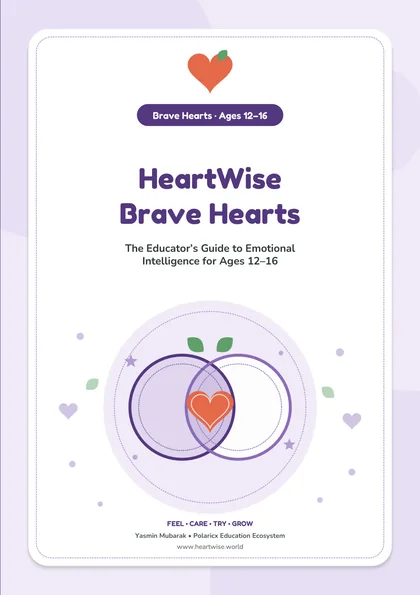
Both-and map20 min

You need: Paper and pens

  1. Draw two overlapping circles: “what is hard” and “what is good or helping.”
  2. Fill them in honestly about a current situation.
  3. In the overlap, write what is both: a hard thing that brought a friend, a lesson or a new idea.
  4. Choose one thing you will do for yourself and one you might say thank you for.

“Hard things and good things can sit side by side.”

Play

Try it on screen

Practise it, play it, even build your own. For children with a grown-up, or on their own. Nothing is saved or sent.

The games need JavaScript. The questions and cards below work without it.

Flashcards

Twelve cards to flip and share

Flip them on screen, or print the pack and cut them out.

See all twelve cards as a list
  • What is gratitude?Noticing something good and saying thank you.
  • Two parts of gratitudeNotice. Thank.
  • Name a tiny good thing.A smile. A warm cup. A sunny patch. A friendly wave.
  • Say it kindly: someone shares their pencil.“Thank you for sharing. That helped me.”
  • Can you feel sad and grateful at the same time?Yes. Both can be true. Gratitude does not push hard feelings away.
  • Is gratitude the same as saying thank you on command?No. It starts with noticing and meaning it.
  • Three good thingsAt the end of the day, name three good things. Small ones count.
  • A gratitude jarWrite or draw a good thing, put it in the jar and read them later.
  • Who helped you this week?Think of someone, even a small helper, and say thank you.
  • It was a hard day. What now?Say it was hard. Look for one tiny good thing, or skip it for today.
  • Who goes first at home and at school?Adults. Children learn thanks by hearing it.
  • Never say…“Be grateful for what you have.” Say, “I noticed something good. What did you notice?”

Download the printable pack (PDF)

Worksheets

Three to fill in, on screen or on paper

Type, tick, circle and draw here, then print the page, or download the pack. Nothing is saved or sent.

Growing Hearts · ages 5–8

My good things

Gratitude is noticing the good and saying thank you. Small things count.

1. Draw one good thing from today. It can be tiny.

3. Tick the ways you could say thank you.
4. How do you feel when someone says thank you to you? Circle one.
My name: ____________heartwise.world · HeartWise
Strong Hearts · ages 8–12

Helpers and thank-yous

Many people help us each week. Notice them and say what they do.

3. Tick how you might say thank you.
My name: ____________heartwise.world · HeartWise
Brave Hearts · ages 12–16

A both-and reflection

Good things and hard things can exist together. Write honestly. No one has to read it.

3. Tick what you might try.

4. Draw or sketch a moment from the past week that felt warm, however small.

My name: ____________heartwise.world · HeartWise
Talk about it

Questions for the table, the car and circle time

Press the button for a question to talk about.

See all ten questions as a list
  1. What is one tiny good thing you noticed today?
  2. Who helped you this week? What did they do?
  3. Can you feel sad and thankful at the same time? How?
  4. When has someone thanked you in a way that felt good?
  5. What is the difference between saying thank you and feeling thankful?
  6. What is a good thing that costs nothing?
  7. How do you like to be thanked? A word, a note, a hug, a thing you do together?
  8. What makes it hard to notice good things? What helps?
  9. Who is someone nobody thanks enough?
  10. What is one thing you would like to say thank you for, but have not yet?
For teachers

In the classroom

  • Go first. Thank children specifically and sincerely, and thank colleagues in front of them.
  • Keep gratitude optional: offer prompts, allow passing, and never ask a child to be thankful for something painful.
  • Phrase prompts as “Name one good thing, big or small,” not “What are you grateful for?” This keeps it open for every child.
  • Make room for hard days. If someone shares something sad, listen first and do not rush to a silver lining.
  • Build thanks into routines: a morning greeting, a weekly thank-you box or a closing circle.

A ten-minute circle: Small good things

  1. Sit in a circle. Take three slow breaths together.
  2. Explain that the circle is for noticing small good things, and that anyone may pass.
  3. Pass a soft object. Each child can share one small good thing, such as a smile, a game or a warm spot.
  4. Ask, “Is there someone you would like to thank?” and let two or three children say who and why.
  5. Close with one quiet moment: “Thank you for today.”
For families

At home

  • Say thank you to your child and to others in front of them. Children learn most from what they see.
  • Make gratitude a conversation, not a test: “What was a good moment for you today?”
  • On hard days, listen first. A moment of comfort comes before any look for good things.
  • Keep thanks free of comparison. Never say, “Be glad you are not like others.”

Around the table

  • What was one tiny good moment today?
  • Who did something kind for you? Who did you help?
  • What is something simple that makes you feel better?
  • Is there someone we could say thank you to this week?
  • What was hard today? Is there anything small that helped?
Questions

Good questions

Should I make my child say thank you?

Children learn the words by hearing them from you. Gentle reminders are fine, but forcing can feel like a test. Say it yourself, notice when they do it, and let the meaning grow.

What if my child is not grateful?

Gratitude is a skill, not a mood. Children who seem ungrateful may be tired, hungry or have big feelings. Try noticing small good things together without pressure.

How do I teach gratitude when we are going through a hard time?

Start with comfort, not with silver linings. Hard feelings can sit next to one small good thing: a hug, a kind friend, a warm meal. Offer it gently, never as a way to stop sad or angry feelings.

Is a gratitude jar or journal right for every child?

Not always. Some children prefer to say it aloud, draw or do something kind. Try different ways and see what suits your child, and let them skip a day.

Using these files

These files are free to print and photocopy for your own home, classroom or team, and to use with the children and colleagues you teach or work with. Please share the link to this page rather than the files themselves. Please do not sell the files, change them, or remove the HeartWise name and credit.

© Yasmin Mubarak, HeartWise. Published by Polaricx Education Ecosystem. Want to use them more widely, for example in a training or a publication? Write to hello@heartwise.world.